
From Groundwork to Completion: Why Every Stage Matters

Construction projects involve more than completing one stage of work and moving on to the next. From initial excavation to final landscaping, each phase influences the conditions and decisions that follow. While it is natural to focus on immediate project goals, looking ahead can make a difference in how a site is managed throughout the construction process.
Water management, drainage, and exposed soil are all factors that can influence a site's progression. Addressing these considerations at the right time helps project teams understand what needs attention now and what should be considered for the future. By taking a broader view of the construction process, teams can make more informed decisions throughout the life of a project.
Every Stage Sets Up the Next
Construction rarely follows a completely straightforward path. Excavation, underground utility installation, structural work, and landscaping each come with different requirements, and the condition of the site can change considerably as work progresses. Decisions made early in a project can influence how easily later stages are completed, making it important to consider the bigger picture from the beginning.
For example, excavation can change how water moves across a site, while changes to the landscape can affect drainage patterns and surrounding areas. Recognizing these connections early gives project teams a better understanding of what to expect as work continues. Rather than approaching each phase separately, considering how the different stages fit together can help create a more coordinated approach to site management.
The Work Doesn't Stop When the Water Is Gone
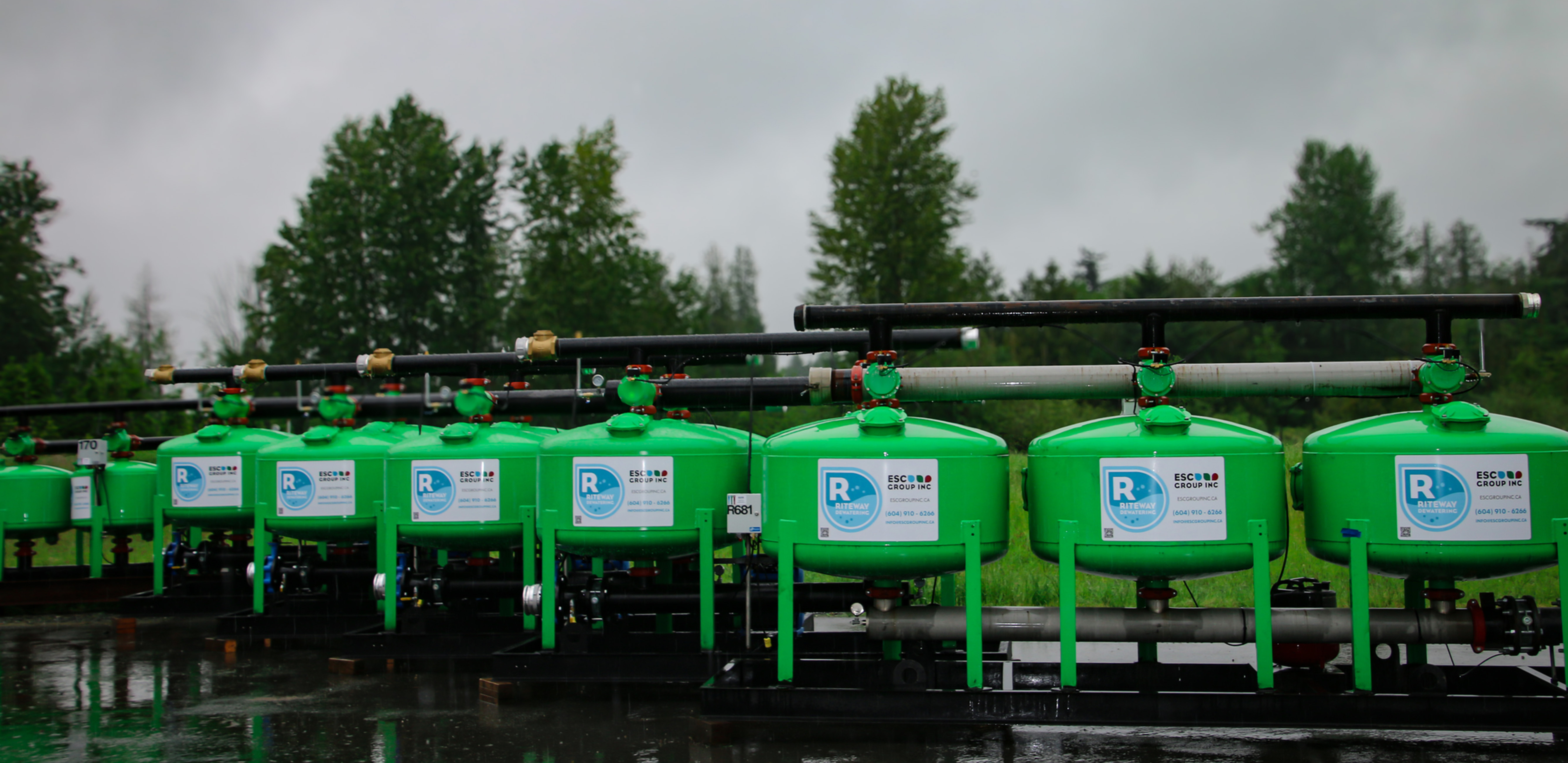
Water management is an important consideration throughout many construction projects, but removing standing water is only one part of the process. Groundwater conditions, soil characteristics, and changing site conditions can all influence how water behaves during and after excavation. These factors may continue to affect the site even once visible water has been removed.
Dewatering helps manage water so that construction activities can proceed under suitable conditions. However, understanding where water is coming from, how it moves through the ground, and where it needs to go remains important throughout the project. Considering these factors alongside the work schedule helps teams plan for changing conditions rather than responding only when water becomes an immediate concern.
Preparing the Site for What Comes After Excavation
As construction progresses, attention eventually shifts toward the finished landscape and the condition in which the site will be left. Depending on the project, this may involve final grading, drainage improvements, and stabilizing areas where vegetation has been disturbed or removed. These steps help prepare the site for its intended use while protecting the surrounding environment.

Exposed soil can be particularly vulnerable to erosion when rainfall and surface runoff move across the site. Erosion-control measures help manage this risk, and hydroseeding can play an important role by establishing vegetation that helps hold soil in place as it grows. Depending on the site's conditions and requirements, hydroseeding may be used alongside other erosion-control methods to provide additional protection. Considering these needs early helps project teams plan for soil stabilization and restoration as part of the overall construction process.
Looking at the Bigger Picture
A construction project is about more than completing individual tasks. The decisions made throughout the process influence how a site develops, how the surrounding environment is protected, and how the finished area will function. Taking the time to consider these connections can help project teams make decisions that support both the immediate work and the long-term outcome.
At ESC Environmental Group, dewatering and erosion control play important roles throughout construction and site restoration. Hydroseeding is one of the methods that can support erosion control by establishing vegetation on disturbed areas. By considering water management and soil stabilization together, project teams can take a more coordinated approach to managing site conditions as work progresses.
Ultimately, looking beyond the build means recognizing that every stage contributes to the next. By planning ahead and considering the site as a whole, construction teams can make more informed decisions and help set their projects up for success long after the initial work is complete.


Comments